
Exchange Betting Guide: Insights from a Satta Matka Expert
Introduction
Exchange betting has transformed the traditional gambling landscape by allowing participants to bet against each other rather than a single bookmaker. This peer‑to‑peer model creates dynamic odds, increased transparency, and often better payouts for savvy bettors. While many newcomers associate exchange betting primarily with sports, the principles extend to numbers‑driven games such as satta matka expert markets, where statistical insight and disciplined strategy can dramatically improve results. This article delves into the mechanics of exchange betting, explores the historical roots of satta matka, and provides actionable tips for leveraging exchange platforms to maximize profit while minimizing risk.
Understanding Exchange Betting
At its core, exchange betting is a marketplace where participants assume the roles of both “backer” (the bettor who believes an outcome will happen) and “layer” (the bettor who believes the opposite). The exchange itself merely matches opposing positions and takes a commission on net winnings. Because odds are set by the crowd, they constantly adjust to reflect collective sentiment, news, and emerging data.
Key Terminology
- Back: To place a bet supporting a specific outcome.
- Lay: To offer a bet that an outcome will not happen, essentially acting as the bookmaker.
- Liquidity: The amount of money available in a market, which determines how easily large bets can be matched without moving the odds.
- Commission: The fee charged by the exchange on winning bets, typically ranging from 2% to 5%.
Historical Context: From Satta Matka to Modern Exchanges
Satta matka originated in the 1960s as a numbers game played on Mumbai’s railway stations. Participants would bet on a randomly drawn number, often based on the opening and closing rates of cotton or the result of a horse race. Over decades, the game evolved, incorporating sophisticated statistical models and a network of expert tipsters. The transition to online platforms has preserved the spirit of the game while adding the analytical rigor required for contemporary betting.
Why the Traditional Model Still Matters
Even with digital betting platforms, the underlying psychology of crowd behavior, risk appetite, and pattern recognition remains unchanged. Understanding how traditional satta matka players analyze past draws, identify hot and cold numbers, and manage bankroll provides a valuable template for exchange bettors looking to apply a data‑driven approach.
Integrating Exchange Betting with Satta Matka Strategies
To profit from exchange betting in the satta matka arena, bettors must treat each draw as a market. Here are three strategic pillars to master:
1. Data Collection and Analysis
Successful matka players maintain exhaustive logs of past results, noting frequency, variance, and streaks. In an exchange setting, this data informs both back and lay positions. Use spreadsheets or specialized software to calculate:
- Mean and median of drawn numbers.
- Standard deviation to gauge volatility.
- Conditional probabilities (e.g., probability of a number appearing after a specific sequence).
By quantifying these patterns, you can set odds that reflect true market expectations rather than emotional guesswork.
2. Liquidity Management
Liquidity determines whether a large stake can be placed without significantly shifting the odds. On major exchange platforms, high‑profile events (like cricket matches) enjoy deep liquidity, allowing sizable bets. In satta matka markets, liquidity may be thinner, creating opportunities for arbitrage. For instance, if the market backs a number at 12.0 but you have data suggesting a 15.0 true probability, you can lay the number at a lower price and secure a profit margin irrespective of the result.
3. Risk Control and Staking Plans
All gambling ventures require disciplined bankroll management. The Kelly Criterion is a popular method, calculating the optimal stake as a fraction of the bankroll based on edge and odds. For exchange betting, modify the formula to accommodate the commission structure:
Stake = (Edge × Odds – 1) / (Odds – 1 + Commission)
Applying this model ensures you never overexpose yourself on a single market, preserving capital for long‑term profitability.
Practical Example: A Cricket Betting Exchange
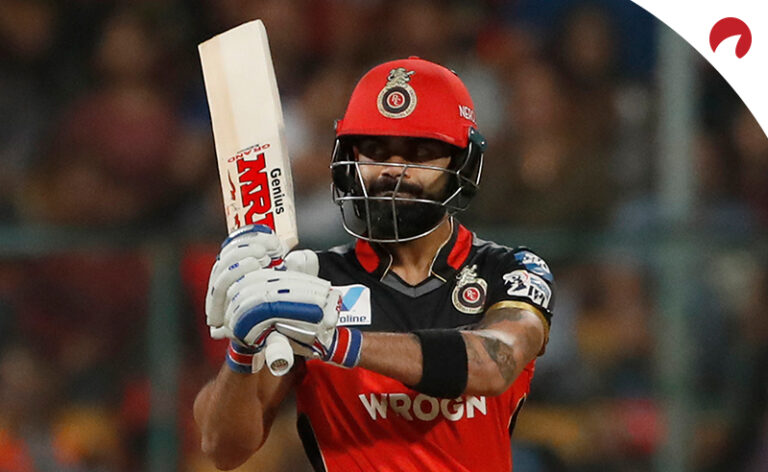
Cricket remains a favorite sport for exchange betting, especially in regions where matka is popular. Let’s walk through a scenario using the platform cricbet99 as a reference point (though the principles apply universally).
Suppose an upcoming One‑Day International features Team A (batting first) versus Team B. Historical data shows Team A scores between 250‑280 runs 68% of the time on similar pitches. You calculate an implied probability of 0.68, translating to odds of 1.47 (decimal). The exchange market, however, currently offers back odds of 1.60 for Team A to score above 260 runs.
Because your analysis suggests a true probability higher than the market’s implied probability (0.68 vs. 0.625), you have a positive edge. You may decide to back Team A at 1.60, risking a modest stake that aligns with your Kelly calculation. Simultaneously, you could lay the same outcome at a later stage when odds drift to 1.45, locking in a guaranteed profit regardless of the final score.
Benefits of the Lay‑Back Cycle
- Lock‑in profit: By backing low and laying high, you capture the spread.
- Risk reduction: If the match deviates from expectations, the lay position cushions losses.
- Commission awareness: Always factor in the exchange’s commission when calculating net returns.
Advanced Tools for the Modern Exchange Bettor
Technology now offers a suite of analytical resources that were unimaginable during the early days of matka. Below are essential tools for serious exchange participants:
Algorithmic Odds Monitoring
Software bots can scan multiple exchange markets in real time, flagging discrepancies between your internal model and live odds. When an anomaly exceeds a pre‑set threshold, you receive an alert to act promptly.
Statistical Modeling Platforms
Languages like Python and R enable bettors to build regression models, Monte Carlo simulations, and machine‑learning classifiers. By feeding historical draw results and ancillary data (weather, event timing), these models can predict future outcomes with measurable confidence intervals.
Secure Account Management
Given the financial stakes, safeguarding your exchange account is paramount. Two‑factor authentication (2FA), strong passwords, and regular audit of login activity protect against unauthorized access. For dedicated satta matka exchange participants, platforms such as tigerexch 247 provide robust security protocols alongside user‑friendly interfaces.
Regulatory Landscape and Ethical Considerations
Exchange betting occupies a gray zone in many jurisdictions. While some countries fully recognize and regulate exchange operators, others view them as gambling conduits subject to strict licensing. Before committing capital, verify that the exchange complies with local laws and holds appropriate gambling licenses.
Ethically, exchange bettors must respect the integrity of the markets. This includes avoiding collusive behavior, refraining from insider information, and ensuring that betting activity does not manipulate outcomes in any sport or game.
Developing a Sustainable Betting Routine
Beyond technical expertise, a disciplined routine separates successful exchange bettors from occasional winners. Consider the following checklist for each betting session:
- Pre‑session analysis: Review upcoming events, update statistical models, and note any news that could shift odds.
- Liquidity check: Confirm that markets of interest have sufficient depth to accommodate your intended stakes.
- Stake allocation: Apply your bankroll management formula, adjusting for any recent gains or losses.
- Execution: Place back and lay orders simultaneously where possible to lock in spreads.
- Post‑session review: Record outcomes, assess model accuracy, and fine‑tune parameters for future bets.
Conclusion
Exchange betting offers a compelling blend of market dynamics, statistical rigor, and strategic depth that aligns naturally with the analytical traditions of satta matka. By harnessing data‑driven analysis, managing liquidity wisely, and adopting disciplined risk controls, bettors can transform a historically chance‑based game into a systematic profit‑generating endeavor. Whether you are exploring cricket markets on cricbet99 or logging into a secure exchange platform like tigerexch 247, the principles outlined here provide a solid foundation for sustainable success. Remember, the edge belongs to those who combine experience, mathematics, and responsible gambling practices—traits embodied by the seasoned satta matka expert and every forward‑thinking exchange bettor.